



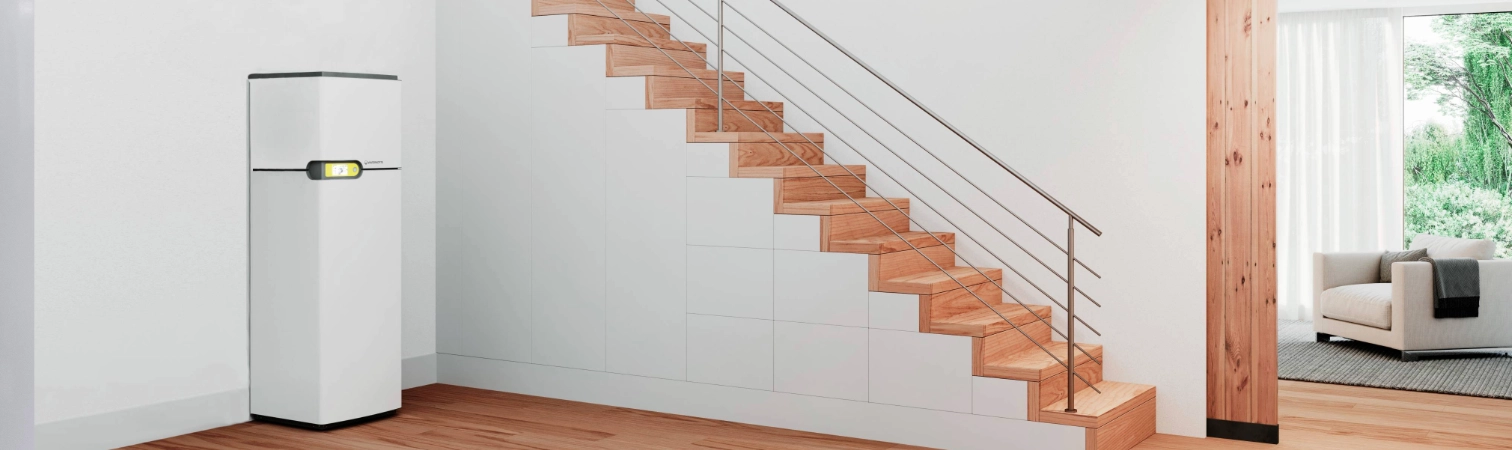
Efficient Heating with Ground and Groundwater
Geothermal heat pumps use the environmental energy stored in the ground or in groundwater, enabling particularly efficient and reliable heating—and cooling when required. Thanks to the stable temperatures available year-round, they rank among the most efficient heat pump systems for both new construction and the energy-efficient renovation of single-family, two-family, and small multi-family homes.
For builders and operators, geothermal heat pumps offer long-term low operating costs and a sustainable alternative to fossil fuel-based heating systems.
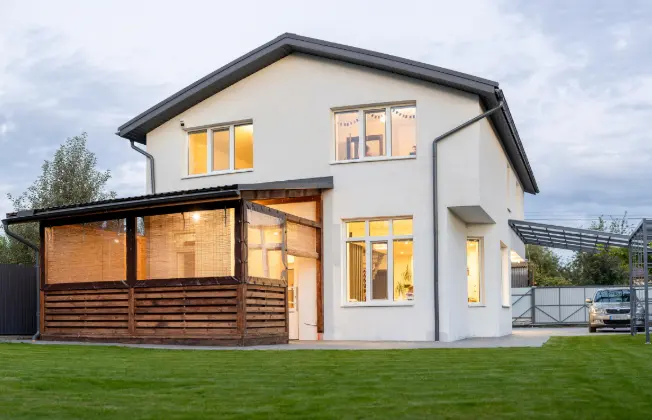
Who Are Geothermal Heat Pumps Suitable For?
Geothermal heat pumps are particularly well suited for:
- Single-family homes
- Two-family homes
- New construction projects
- Renovation projects where long-term low heating costs and CO₂ reduction are a priority
For homeowners and operators, they offer a high level of planning certainty, attractive funding opportunities, and a long system service life.
How Do Geothermal Heat Pumps Work?
A geothermal heat pump extracts thermal energy from the ground or groundwater and raises it to the temperature level required for heating and domestic hot water by means of a refrigeration cycle.
Compared to air-source heat pumps, source temperatures are significantly more stable—ensuring high efficiency as well as quiet, weather-independent operation.
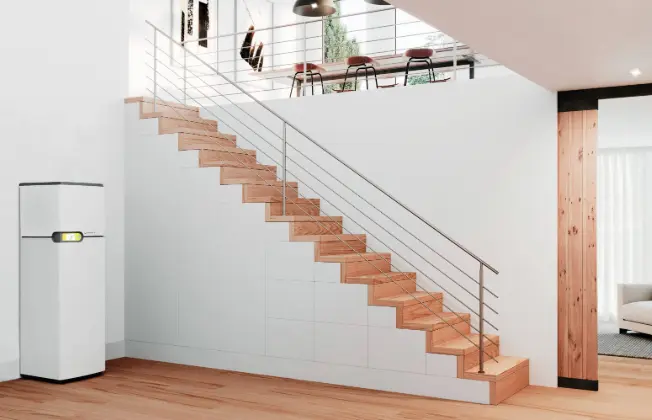
Benefits of Geothermal Heat Pumps in Residential Buildings
- Very high efficiency and low operating costs
- Quiet operation without an outdoor unit
- Suitable for heating, domestic hot water, and optional cooling
- Increases the value of the property
- Meets statutory requirements for the use of renewable energy
Heat sources at a glance: Soil and groundwater
Both ground and groundwater sources make geothermal heat pumps a future-proof solution for residential buildings.
Ground (Brine/Water Heat Pump)
- Utilization via ground probes or horizontal ground collectors
- Stable temperatures throughout the year
- Particularly high efficiency and quiet operation
- Ideal for new construction and renovation projects with sufficient land area or drilling options
Groundwater (Water/Water Heat Pump)
- Very high efficiency due to constant water temperatures
- Suitable where sufficient water quality and quantity are available
- Subject to official approval, but exceptionally powerful
Both variants make geothermal heat pumps a reliable and future-oriented solution for private residential buildings.

Key Aspects in Planning and Implementation
When planning a geothermal heat pump, homeowners should pay particular attention to the following aspects:
- Plot size and geological conditions
- Permits for ground probes or groundwater use
- The building’s heating system (e.g. underfloor heating, low supply temperatures)
- Professional system design and installation
Careful planning ensures that the geothermal heat pump can fully exploit its efficiency potential.
Product Overview: Geothermal Heat Pump
In the overview below, you will find our geothermal heat pumps designed for residential use. The systems are suitable for single-family homes, two-family homes, and small multi-family buildings, using either the ground or groundwater as a heat source.
Compare models, performance ranges, and equipment options to find the solution that best fits your home.
Request Product Information
We would be happy to advise you personally on suitable products, system design, and available subsidies, and connect you with an installation partner near you.